


Logwood is a very fun dyestuff to work with. It’s potent, and only a little is needed to get a lot of color. In this blog post, we’re going to talk about where this dyestuff comes from, some history about its use, and how I’ve used it in my natural dyeing practice.
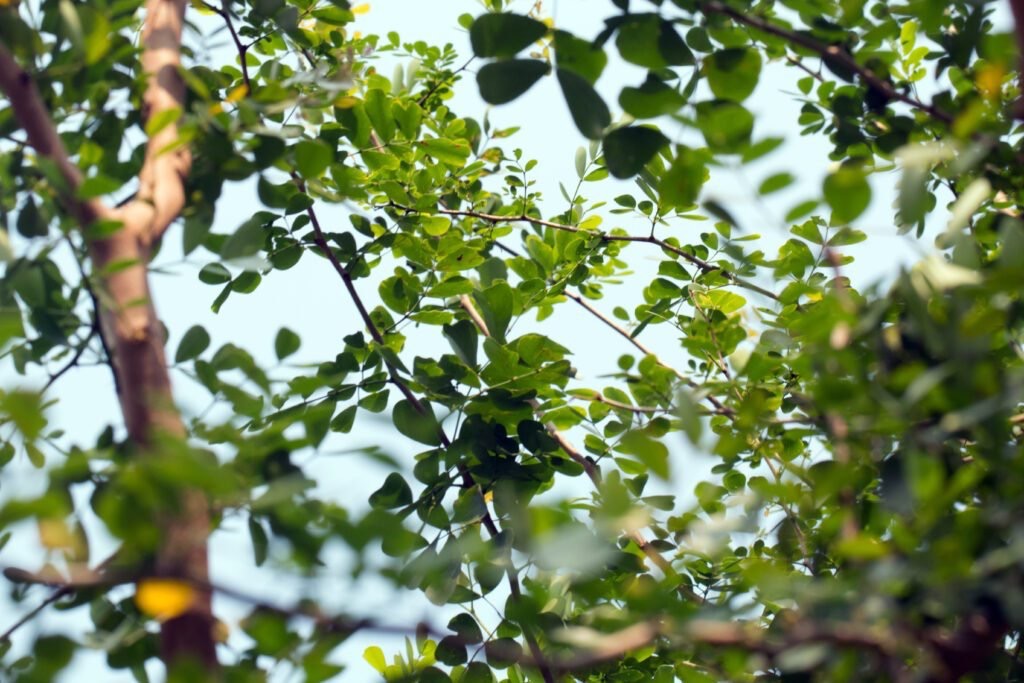
Logwood Extract
Logwood (Haematoxylum campechianum) is a species of flowering tree in the legume family that is native to southern Mexico and became important to European traders starting in the 16th century as a source of purple and black dye. There was a booming transatlantic trade of Logwood through the 19th century, as it became one of the primary exports of New Spain, along with silver and cochineal. It was largely replaced by aniline black dye in the latter half of the 19th century but is still used today to dye medical sutures black.
The color derived from logwood is due to a compound called hematoxylin that is extracted by boiling or steam. Once exposed to air, it oxidizes into the pure dyestuff hematine. This dyestuff has an affinity for natural fibers greater than many other dyestuffs, making it a potent dye that can achieve deep colors at relatively low concentrations as long as the fiber has been thoroughly mordanted. The color achieved can vary depending on the mordant used and the pH of the dyebath. In fact, the extract was once used as a pH indicator.
In my dyeing practice, I use a powdered extract of the logwood tree. While I still have a lot of experimenting I want to do with this dye, especially when it comes to shifting pH, I have already used it in a range of colorways.
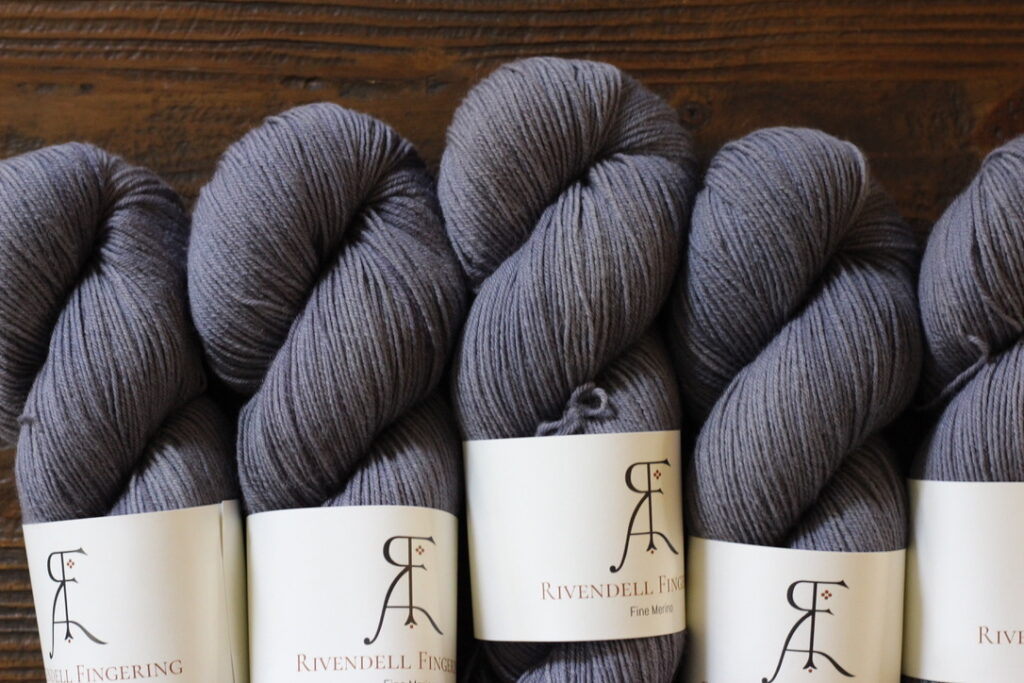
First is my Periwinkle colorway. It’s not quite blue, but also not quite purple either. This colorway tends to fade over time to become more pastel and take on an almost silvery hue.
Next are two colorways that use logwood in conjunction with another dye for multiple layers of color.
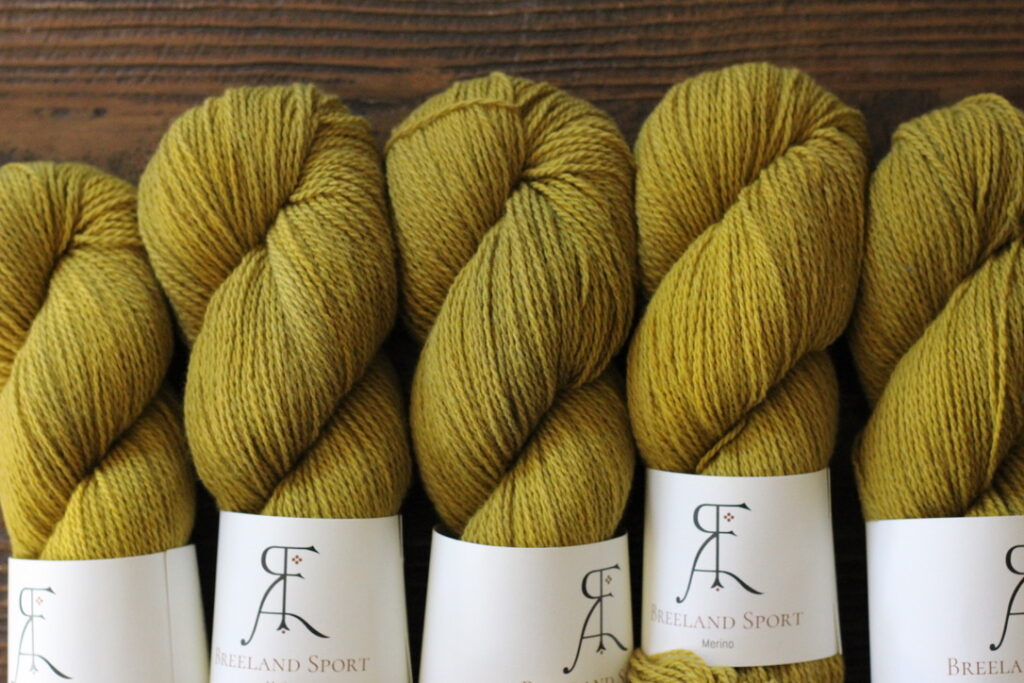
Sedge uses logwood to overdye yellow yarn. I use only a very small amount of logwood to get this lovely green shade.
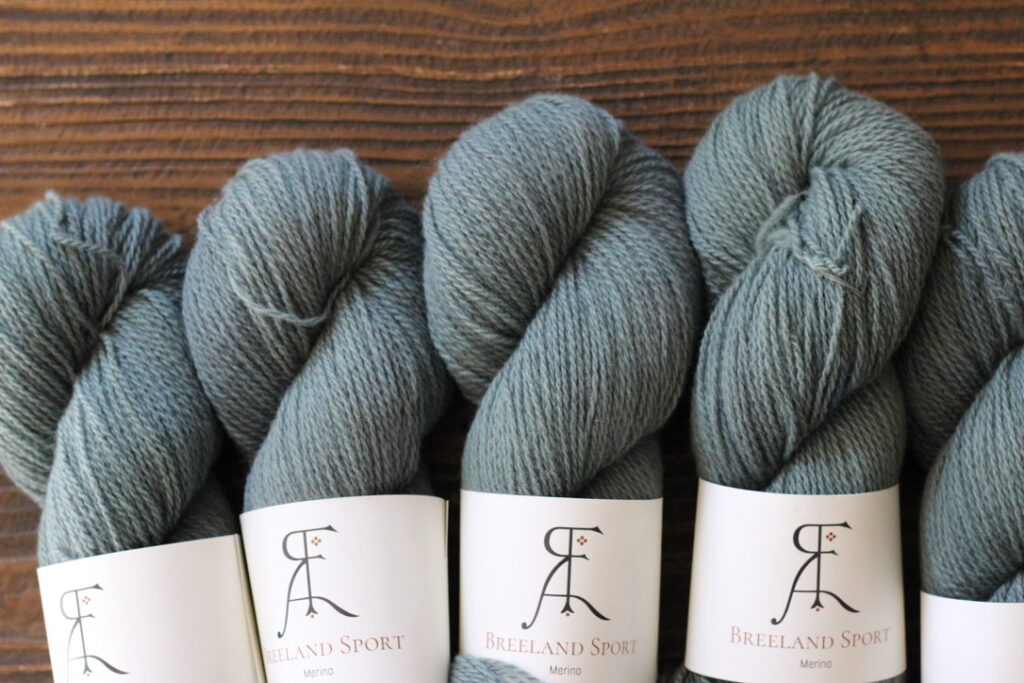
Lagoon uses logwood and mulberry leaf extract (read more about this dye in a previous blog post) in the same dye bath to get a lovely teal. This colorway comes out a little differently each time, which seems appropriate for something inspired by the changing hues of water in a tropical lagoon. Sometimes it leans more green and sometimes more blue, but its always one of my favorites.
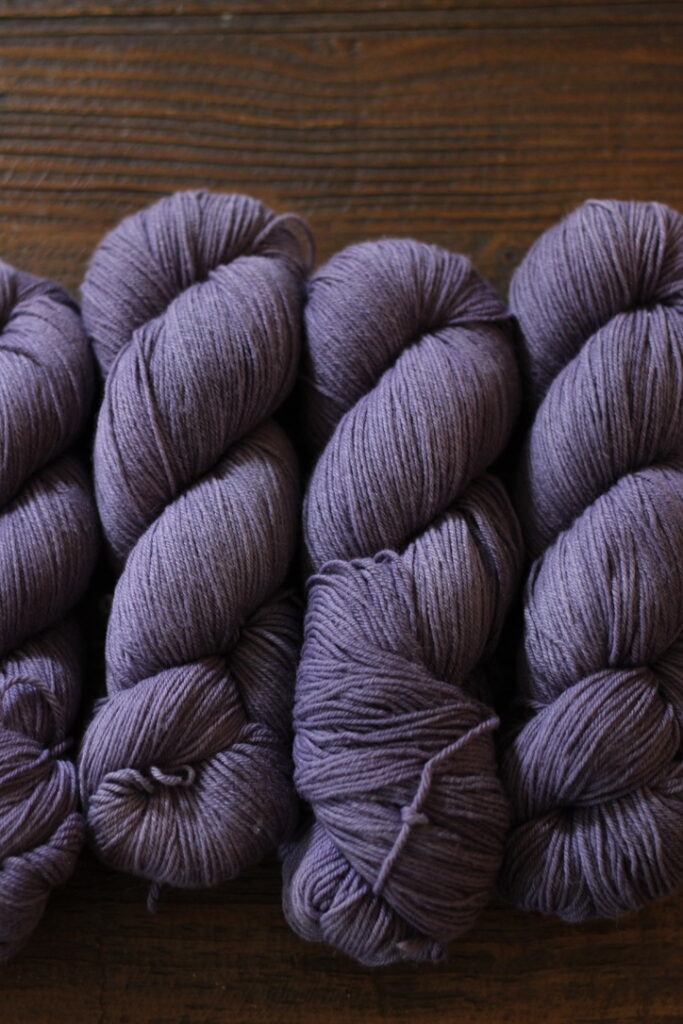
Exhaust baths from logwood have also gotten me some truly lovely lavenders.

When I first started dyeing with logwood, I was able to get some deep royal purples that were truly purple as opposed to the blue-leaning periwinkle. But I have not been able to replicate those colors for some time, and I’m not quite sure why. That’s how it is sometimes with natural dyes.
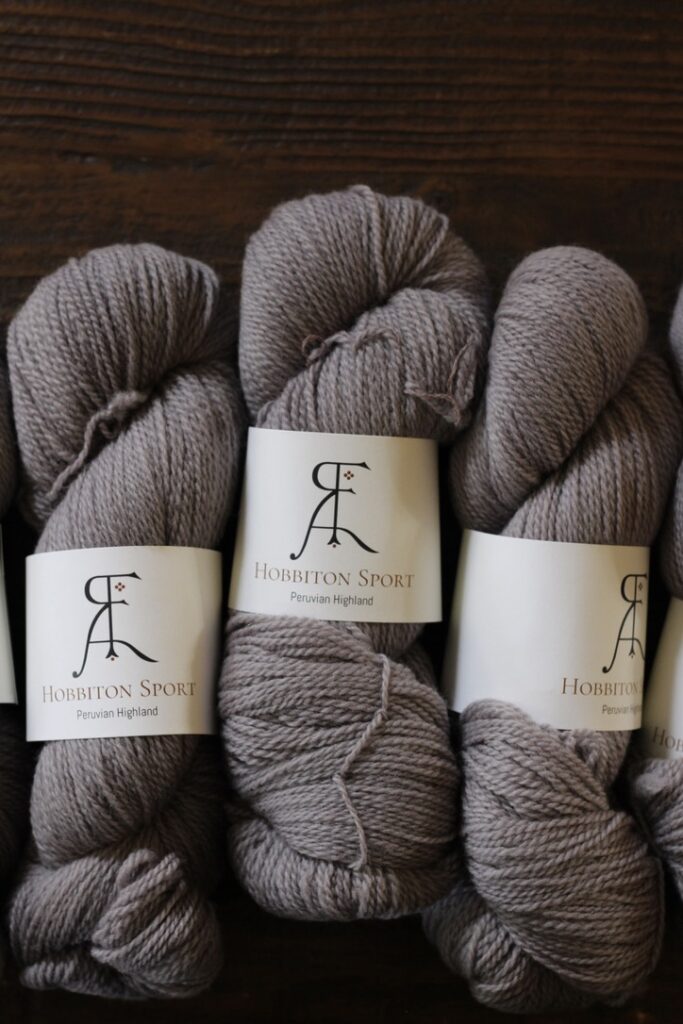
I also accidentally dyed one batch before I mordanted it, and it came out a stormy grey color with purple undertones and a few speckles of deeper purple. Over time, it faded to a silvery grey.

I can’t wait until I have more time in my schedule to do more experimentation. I would like to try some batches where I adjust the pH to see what colors I can get with acidic vs alkaline conditions. I have read that it becomes more purple when alkaline and a reddish/yellowish/brownish color under acidic conditions.
If you’ve ever dyed with logwood, I’d love to hear about your experiences. Comment on this post or email me, and let’s chat.


